
 Brian Kimathi
 Brian's Empire KE
The unexpected force keeping beef prices high and why the pressure could last for years
Economists say it will take several years to rebuild herds after drought wiped out grasslands across the West and Plains
 Video
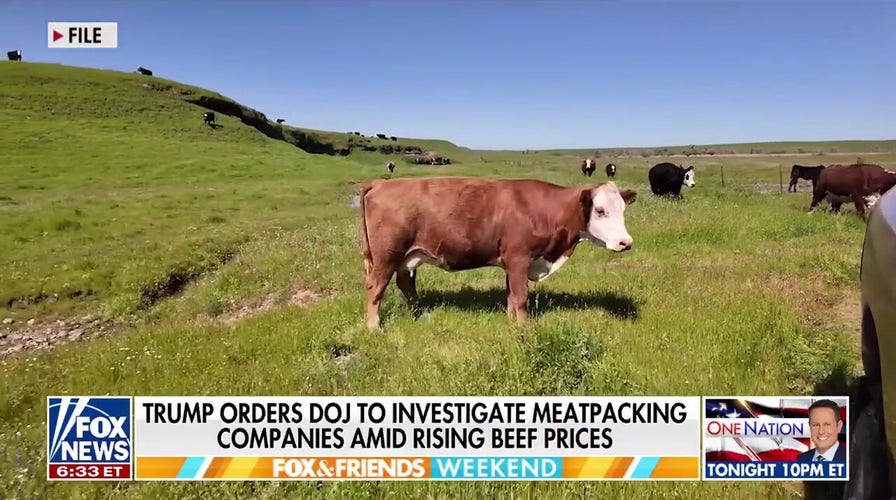
VideoTrump orders DOJ to probe soaring beef prices ‘jeopardizing’ US food supply
Fifth-generation farmer Steve Lucie joins 'Fox & Friends Weekend' to discuss President Donald Trump's call for the Department of Justice to investigate meatpacking companies over rising beef prices.
Beef prices aren’t easing anytime soon and economists warn the pressure could last for years.
That's because the U.S. cattle herd has fallen to its smallest size in 75 years, after years of drought, rising feed costs and an aging ranching workforce forced producers to scale back.
"The biggest thing has been drought," Eric Belasco, head of the agricultural economics department at Montana State University, told Fox News Digital.
Years of dry weather have wiped out grasslands across the West and Plains, leaving ranchers without enough feed or water to sustain their herds. Many have been forced to sell cattle early, including breeding cows needed to produce the next generation of calves, making it harder to rebuild.
Drought quickly makes it harder and more expensive for ranchers to raise cattle.
As conditions worsen, hay production falls, feed gets more expensive and herd sizes shrink, according to data from the Kansas City Federal Reserve.
IN TEXAS CATTLE COUNTRY, ONE RANCHER WELCOMES TRUMP’S FOCUS ON DECADES OF THIN MARGINS
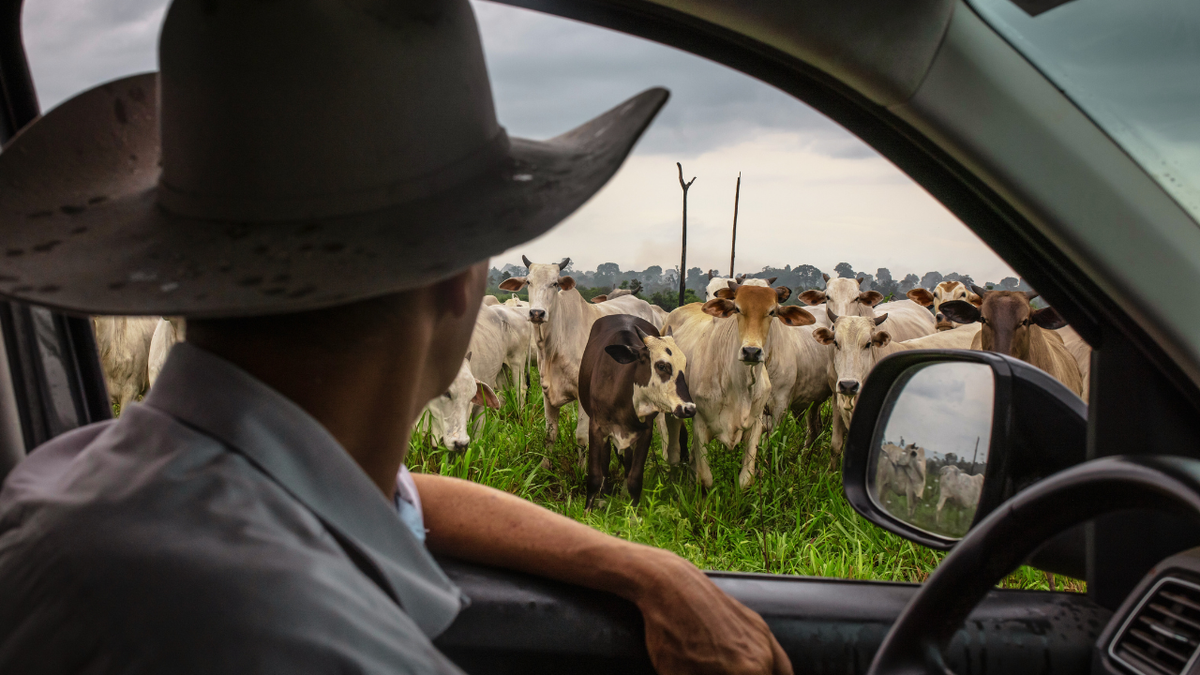
The U.S. cattle herd has fallen to its smallest level in 75 years. (Jonne Roriz/Bloomberg/Getty Images)
But even when conditions improve, rebuilding the herd takes time.
"The fact of the matter is there’s really nothing anybody can do to change this very quickly," said Derrell Peel, a professor of agricultural economics at Oklahoma State University. "We’re in a tight supply situation that took several years to develop, and it’ll take several years to get out of it."
Peel, who specializes in livestock marketing, said it takes roughly two years to bring cattle to market, and several more years to rebuild herds, leaving little room for short-term relief.
TRUMP'S BEEF IMPORT PLAN IGNORES KEY ISSUE SQUEEZING AMERICAN CATTLE RANCHERS
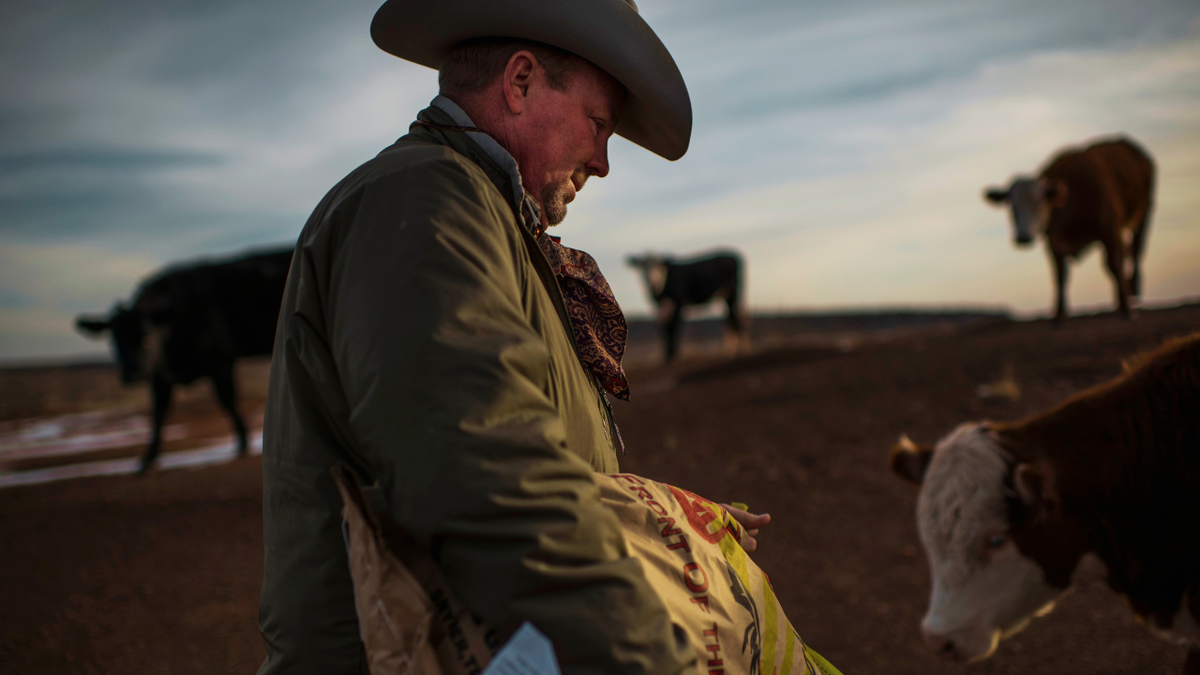
American cattle ranchers have weathered one setback after another, from market turmoil to extreme weather conditions. (Melina Mara/The Washington Post/Getty Images)
And the supply crunch is only part of the story.
The U.S. beef industry is also highly concentrated, with four major companies—Tyson, JBS, Cargill and National Beef—processing about 85% of the nation’s grain-fed cattle.
That dominance has drawn scrutiny from regulators, including a Department of Justice investigation into potential antitrust issues and pricing practices in the meatpacking industry.
Critics argue that level of consolidation gives meatpackers significant influence over prices, while industry groups say the market remains competitive.
Higher prices haven’t scared off consumers.
According to U.S. Department of Agriculture data, the average price of beef climbed from about $8.70 per pound in March 2025 to $10.08 a year later, an increase of roughly 16%.
Even so, demand has held up. In 2025, shoppers spent more than $45 billion on beef, buying more than 6.2 billion pounds, according to data from Beef Research, a contractor for the National Cattlemen’s Beef Association.
CLICK HERE TO GET THE FOX NEWS APP
Spending jumped about 12% from a year earlier, while the amount of beef sold rose more than 4%—a sign consumers aren’t just paying more, they’re buying more.
Amanda covers the intersection of business and politics for Fox News Digital.
Support Everyday Chronicle
Global reporting requires independent voices. If you value our coverage, please consider a small contribution to help us grow.
Click the button below to make a secure donation
Discover more from Everyday Chronicle
Subscribe to get the latest posts sent to your email.
Have any thoughts?
Share your reaction or leave a quick response — we’d love to hear what you think!
-
 0
0
-
 0
0
-
 0
0
-
 0
0
-
 0
0
-
 0
0
